
What Is Demand?: A Quick Overview And What To Know
When you think about your electric bill, you probably focus on how much energy you use in a month. But there’s another factor that can affect your costs: your demand. Demand is the rate at which you use electricity at one time, measured in kilowatts (kW).
Energy (kWh) = total amount used over time.
Demand (kW) = highest amount used at once
A kilowatt (kW) is 1,000 watts of power. A kilowatt-hour (kWh) means you used 1 kW steadily for one hour.
Examples:
Two members each use 1 kWh:
Member A uses it steadily over an hour —
demand = 1 kW.
Member B uses it all in 15 minutes — demand = 4 kW (four times faster).
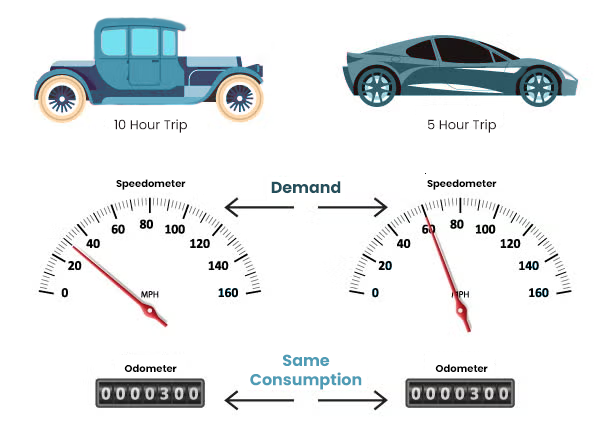
Driving a Car
Your speedometer is like demand (how fast you’re using power right now). Your odometer is like total energy used. Two cars can travel the same distance, but the faster one needs a bigger, more expensive engine—just like higher demand needs more capacity from our electric system.
How can I keep my demand low?
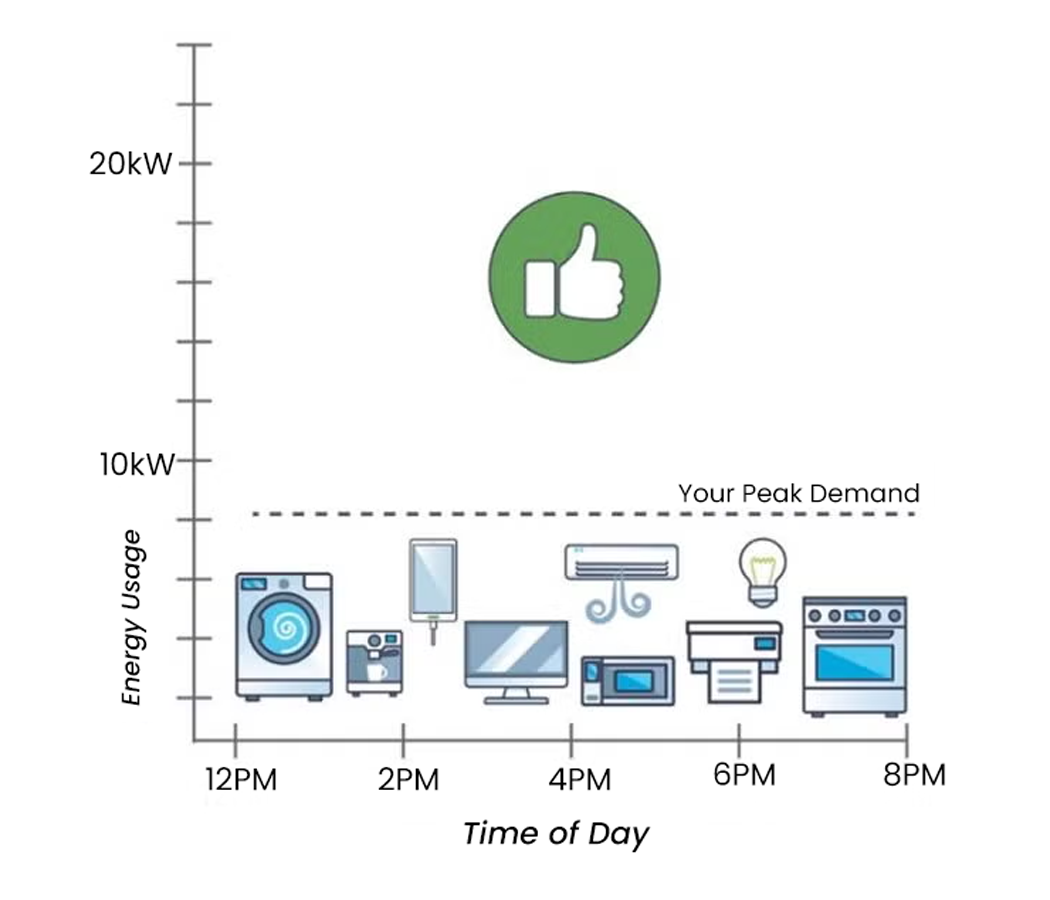
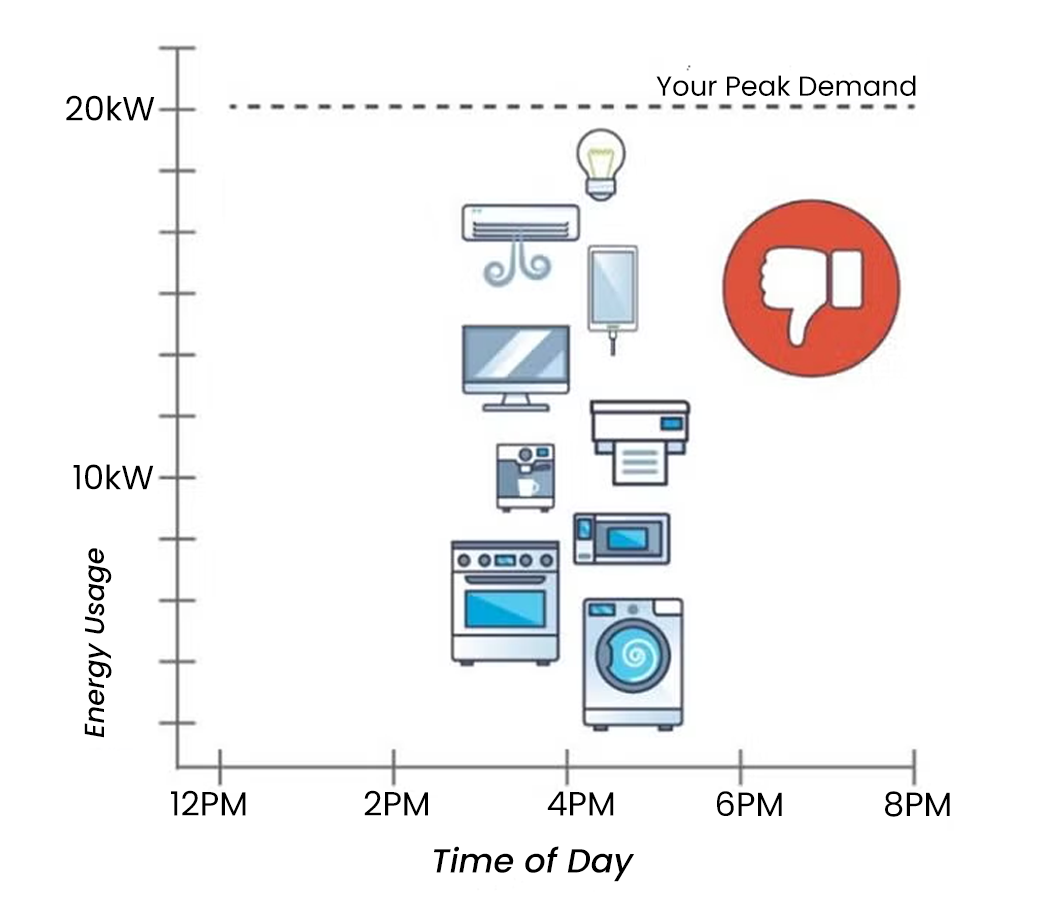
The easiest way to keep your demand low is to stagger the use of major appliances. Instead of running the oven, dryer and air conditioner all at once, space them out so they aren’t
operating at the same time.
Technology can make it even easier. Use timers, delay-start settings, mobile apps or programmable thermostats to help you shift usage without having to think about it.
Why your co-op cares
Itasca-Mantrap must have enough capacity to meet the highest demand from all
members, even if it only happens for a
short time. Reducing your personal demand helps keep costs more stable for everyone.